Gardening Services in Docklands
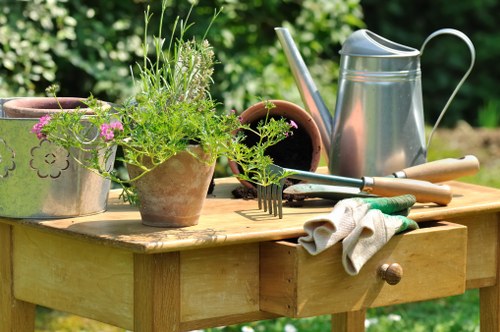
Gardening Services Docklands offers practical help for outdoor spaces that need regular care, a seasonal tidy-up or a more considered reset. The main work here centres on keeping gardens neat, healthy and usable, with attention to lawns, hedges, planting areas and overgrown sections that have begun to dominate the space. We aim to present clear options so that householders, landlords and property managers can choose the level of support that suits the condition of the garden and the outcome they want.
For many properties, the starting point is a straightforward assessment of what needs attention now and what can be managed over time. That may mean routine maintenance for a manageable garden, or more substantial clearance where brambles, self-seeded growth or neglected borders have become difficult to control. Our service scope is shaped by the work itself rather than by a fixed package, so the right approach can vary between a light tidy and a more involved programme of visits.
If you are comparing options, it can help to think in terms of outcome: a lawn kept neat, hedges kept within bounds, or a garden brought back to a workable condition. Use the pages below to explore the main services, then request a quotation when you are ready.
Regular Garden Care
Regular garden care is the part of the work that keeps outdoor spaces under control before they become difficult. It can include mowing, trimming, border tidying and basic attention to areas that change quickly through the growing season. The value of this type of service is consistency: by dealing with growth at sensible intervals, the garden stays easier to use and less likely to need heavier intervention later on.
In practice, regular care is often tailored to the layout of the property. Some gardens need simple lawn and edge work, while others need the emphasis to fall on hedges, beds or mixed planting areas. A clear plan usually works better than a one-size-fits-all schedule, especially where access is limited or the garden contains different surfaces that need different treatment. To see the wider range of work, our services overview gives a useful starting point.
Garden Clearance and Overgrown Areas
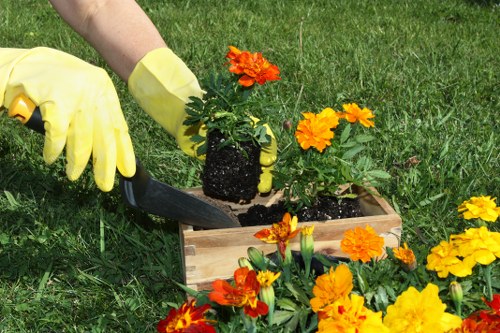
Garden clearance is suitable where the space has become harder to manage and the priority is to restore order. This may involve cutting back dense growth, removing accumulated cuttings, dealing with neglected corners and making the space easier to inspect and maintain afterwards. It is often the right choice when the garden has not been looked after for a while and the aim is to create a workable base again rather than simply tidy the surface.
There are different levels of clearance, and it is sensible to match the work to the condition of the site. Some gardens need targeted cutting and removal, while others require a broader tidy of the whole space. If waste needs to be handled carefully, the approach should be set out in advance so the work can be completed in a tidy and controlled way. For a closer look at this type of service, visit garden clearance.
When a garden has become heavily overgrown, it is usually better to think in stages. The first stage is the reduction of excess growth; the second is returning the garden to a manageable pattern of upkeep. That distinction matters because a one-off clearance and an ongoing maintenance plan are not the same service, even if they are sometimes needed together.
Lawns, Edges and Finish
A tidy lawn can change how the whole garden feels, so lawn mowing and the finishing work around edges are central parts of the service. The task is not only about cutting grass; it is also about achieving a neat appearance that helps paths, beds and borders look intentional. Depending on the property, work may also include rough areas, awkward edges or sections that need more care because of trees, slopes or uneven access.
Good lawn care usually depends on timing and consistency. Cutting too late can leave the grass harder to manage, while cutting at a sensible interval keeps the lawn more even and easier to maintain. If your priority is the turf itself, it may also be worth considering whether the surrounding garden needs hedge trimming or border attention at the same time. The dedicated lawn mowing page explains that service in more detail.
Useful choices for lawn work
Before arranging work, it helps to decide what you want from the finished result. Some customers want a simple cut and tidy; others want the lawn to sit as part of a wider garden refresh. Practical choices usually include whether the edges should be sharpened, whether clippings should be removed, and whether the grass is part of a broader seasonal visit. These decisions keep the work focused and make the quotation more accurate.
Hedges, Shrubs and Boundary Growth
Hedge trimming is important where boundary planting starts to encroach on paths, drives or neighbouring areas, or simply begins to look untidy. Careful trimming helps maintain shape, encourages controlled growth and stops dense hedges from becoming unmanageable. The work may also involve shrubs and similar planted features where a light tidy or stronger reduction is needed to bring them back into proportion with the rest of the garden.
Different plants call for different handling, and it is rarely sensible to trim everything in the same way. Some hedges are best kept to a regular outline, while others need selective cutting so that healthy growth is preserved. If the garden includes taller or more awkward growth, it may be worth reviewing whether tree work is also needed. The dedicated hedge trimming page is the best place to start for that service.
Where hedging forms a major visual boundary, the finish matters as much as the cut itself. A good result should look balanced from the street or from within the garden, with enough attention paid to straight lines, corners and overall proportion. That is why hedge work often sits alongside lawn care or maintenance visits rather than being treated as an isolated task.
Landscaping and Garden Improvements
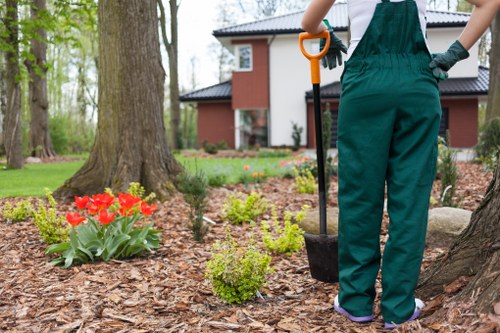
Some gardens need more than maintenance, especially where the layout no longer works well or the planting scheme has become tired. Landscaping can cover a wide range of practical improvements, from reshaping planting areas to altering the structure of the space so that it feels more usable. The best results usually come from clear goals: improving appearance, improving access, or making the garden easier to keep in order.
In a residential setting, landscaping is often most useful when it responds to the existing conditions rather than trying to start from scratch. That might mean improving a front or rear garden in stages, refreshing borders, or combining structural work with planting. If decking forms part of the plan, the relevant service is described on the decking services page. Where the project is broader, the landscape gardening page gives a more detailed overview.
How to approach a landscaping brief
A clear brief usually includes what should stay, what should change and what the finished garden needs to do for you. Some customers want a low-maintenance layout, while others want stronger planting and a more decorative finish. It is also useful to note any fixed features, access issues or surfaces that must be protected. The more specific the starting point, the easier it is to plan work that is both practical and visually coherent.
About Docklands

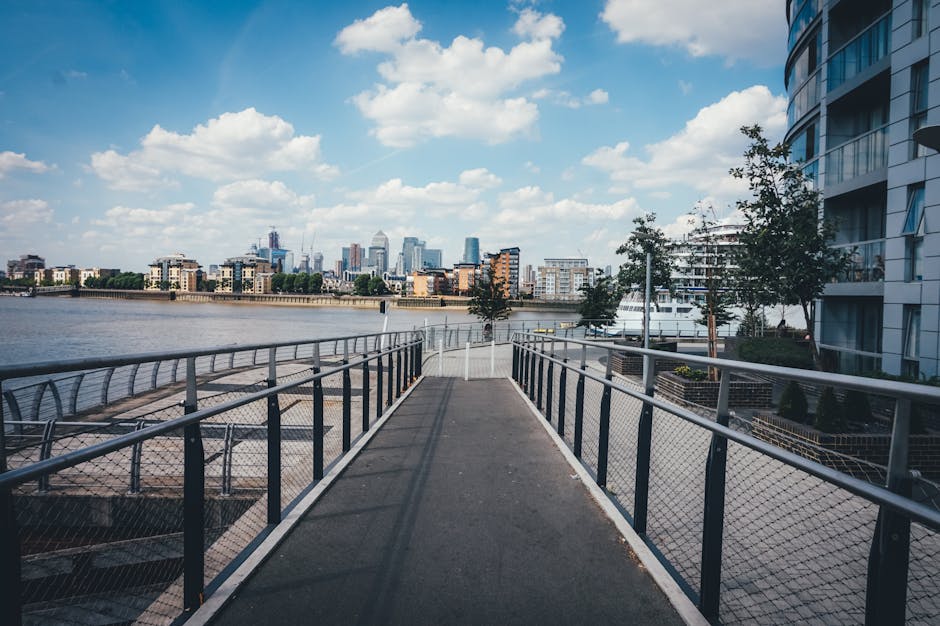
Docklands is a waterside district in east and south-east London, shaped by its long association with the Port of London and by the large-scale redevelopment that followed the decline of the historic docks. The area now includes places such as Canary Wharf, Isle of Dogs and the Royal Docks, each with its own character but linked by the wider story of industrial change and regeneration. The district’s identity is inseparable from the river, the former dock basins and the new residential and commercial development that has transformed large stretches of the waterfront. The Docklands Light Railway, first opened in 1987, became one of the most recognisable signs of that transformation, connecting different parts of the area and supporting the growth of newer neighbourhoods. Alongside this modern layer, traces of maritime history remain visible in dock names, waterside paths and converted warehouse buildings. Canary Wharf has become known for its towers and public spaces, while the Royal Docks include broad basins and event venues that reflect their original scale. Mudchute and Island Gardens on the Isle of Dogs provide green open space and views across the river, and the Thames Path offers a continuous route that links Docklands to other parts of London. The area also has a strong connection with architecture from the late twentieth and early twenty-first centuries, with glass-fronted buildings, restored dock structures and ambitious mixed-use schemes standing beside older residential streets and waterside walks. That combination of water, transport, business districts and open public realm gives Docklands a distinctive urban texture that is different from both the West End and the older inner-city neighbourhoods elsewhere in London.
Tree Lopping and Removal
Tree lopping and removal is a more specialised part of garden work and is usually considered where a tree is too large for the space, blocking light, affecting access or creating ongoing maintenance problems. Depending on the situation, the job may involve reduction, sectional removal or full removal, together with the careful handling of arisings. The right solution depends on the condition of the tree, the site layout and the purpose of the work.
It is important to distinguish between a tree that simply needs thinning or shaping and one that has reached the point where removal is the more sensible option. Good decision-making here can reduce unnecessary disturbance and help keep surrounding planting, fences and hard landscaping intact. For a fuller explanation of this service, see tree lopping and removal.
If a tree is part of a mixed border or sits close to other shrubs, the work may need to be coordinated with hedge or garden clearance tasks. That way, the result is not only safer and more open, but also easier to integrate into the rest of the garden once the main job is complete.
Planning a Visit and Requesting a Quote
When you ask for a quotation, it helps to describe the type of garden, the main tasks you want completed and anything that may affect access or timing. A clear description of the present condition makes it easier to judge the scope of work. If you already know that the garden needs a combination of mowing, trimming and clearance, grouping those requirements together usually leads to a more useful response than sending them separately.
Photographs can also be helpful because they show the scale of the work, the condition of the borders and any awkward corners or access points. In many cases, the best approach is simply to state the outcome you want and then identify any practical limitations, such as narrow side access, shared entrances or areas that should be left untouched. If you are ready to move on, our pricing and quotes page is the place to begin.
Request a quotation when you are ready, and we can help you shape the work into a clear plan. Contact us to discuss the garden and the next step.
Recycling, Safety and Property Care
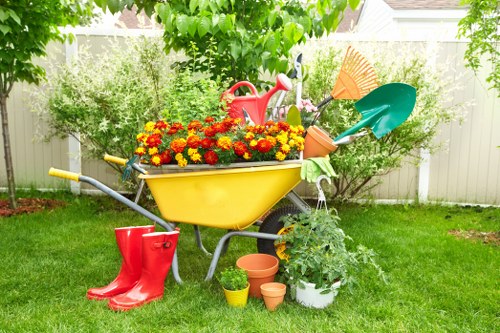
Garden work often generates green waste, mixed cuttings and other material that needs to be handled sensibly. Where possible, waste should be sorted and removed in a way that keeps the site tidy and avoids unnecessary disruption. If the garden includes delicate planting, paving, fencing or external fittings, the work also needs to be carried out with care so that the finish does not compromise other parts of the property. These practical details matter because the result should look clean, not simply cut back.
It is also useful to think about the long-term condition of the garden, not only the immediate appearance. A tidy result is more useful when it leaves the space easier to maintain, with clear edges, accessible borders and growth reduced to a level that can be managed in future visits. For related information on how waste and material handling is approached, the recycling and sustainability page is worth a look.
For more general details about how our work is structured across different types of garden, you can also review the about us and garden maintenance pages. When you are ready, ask for a quotation and we will help shape the right service for your outdoor space.