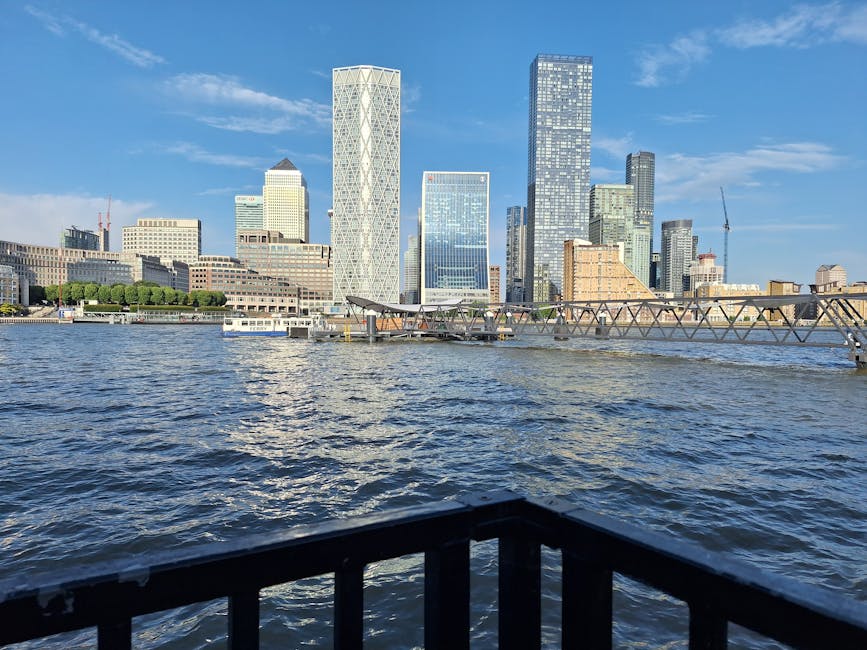
Canary Wharf office gardeners for balconies and terraces
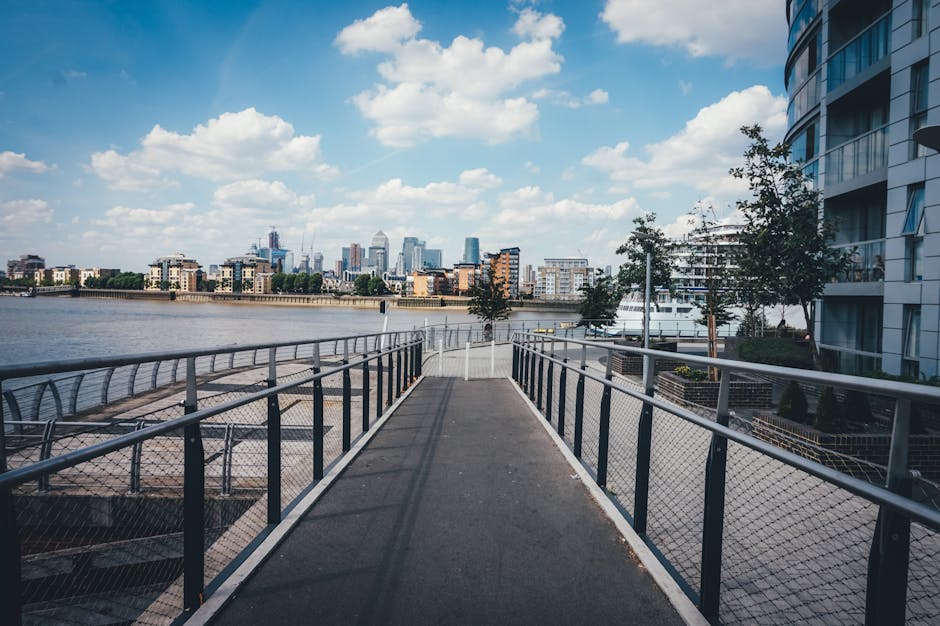
Balconies and terraces in Canary Wharf do a lot of heavy lifting. They soften a hard-edged business district, give teams somewhere to breathe between meetings, and make an office feel far more considered than a row of desks ever could. But they also need the right care. Wind, shade, restricted access, weight limits, and the simple reality of busy office life all shape what works and what does not.
If you are looking for Canary Wharf office gardeners for balconies and terraces, you are probably not just after a few plants in pots. You are after something that looks polished on a Monday morning, survives the weekend, and keeps working for the building year-round. That usually means a mix of design sense, plant knowledge, safe installation, and regular maintenance that fits the pace of commercial life. This guide covers the practical side properly, without the fluff.
Whether you manage a reception terrace, a staff break area, a boardroom balcony, or a larger corporate roof space, the basics are the same: choose the right planting, keep it healthy, make access realistic, and stay on the right side of building rules. Simple on paper. In practice, a bit more nuanced. Let's get into it.
- Why it matters in Canary Wharf
- How office balcony and terrace gardening works
- Key benefits and practical advantages
- Who it is for and when it makes sense
- Step-by-step guidance
- Expert tips for better results
- Common mistakes to avoid
- Tools, resources and recommendations
- Law, compliance and best practice
- Options, methods and comparison
- Case study or real-world example
- Practical checklist
- Conclusion
- Frequently asked questions
Why Canary Wharf office gardeners for balconies and terraces Matters
Canary Wharf is not a soft, forgiving environment for planting. It is tall buildings, reflective glass, open wind corridors, and a lot of hard surfaces that can cook or chill containers faster than people expect. On a bright morning, a terrace may look wonderfully open; by late afternoon the same space can be gusty, dry, and surprisingly demanding. That is exactly why specialist office gardeners matter here.
The point is not just to keep things alive. It is to create outdoor areas that are useful, presentable, and easy for an office team to live with. A well-kept balcony or terrace can support quiet calls, informal meetings, staff wellbeing, and client-facing moments. A neglected one does the opposite. You notice the tired leaves, the empty pots, the irrigation drip that no one has quite fixed. And once that slip starts, it usually snowballs.
For commercial properties, the stakes are a bit higher than at home. Balconies and terraces may need careful scheduling around business hours, coordination with facilities teams, and sensible choices that do not create mess or risk on paving, decking, or facades. Truth be told, the best results come when gardening is treated as part of the office environment rather than an afterthought. That mindset changes everything.
For broader workplace landscaping support, many businesses also coordinate outdoor planting with professional landscaping services and longer-term upkeep plans so the space stays consistent, not just attractive for a week or two after installation.
How Canary Wharf office gardeners for balconies and terraces Works
Good balcony and terrace gardening starts with the space itself, not with the plants. That sounds obvious, but it is the step people skip. A good office gardener will usually begin with a site review: how much light the area gets, how exposed it is to wind, what the surface is made of, how water will drain, and whether there are load-bearing or access constraints. In a place like Canary Wharf, those details matter a lot.
From there, the gardener plans a planting scheme that fits the conditions. For example, a sheltered north-facing balcony may suit shade-tolerant foliage plants, while a south or west-facing terrace might need tougher, drought-resistant options. A windy upper-floor terrace usually needs lower, denser planting and heavier containers so everything does not feel like it is auditioning for flight.
The work itself often falls into three parts:
- Design and specification - choosing pots, planting styles, soil mixes, and visual layout.
- Installation - sourcing plants, positioning containers, checking drainage, and placing everything safely.
- Maintenance - watering, feeding, pruning, replacing tired plants, and keeping the whole thing tidy.
On commercial sites, maintenance is usually the difference between a good scheme and a disappointing one. Office buildings run on schedules, and plants do not care about meeting calendars. They need consistent attention, especially in summer when containers dry out quickly and in winter when exposure becomes the bigger issue. A planter that looked superb in May can look frankly weary by August if nobody is monitoring it.
If your terrace is part of a larger commercial environment, it can help to align gardening with other external services such as facilities management support, because access, cleaning, waste removal, and maintenance all tend to overlap in real life.
Key Benefits and Practical Advantages
There are plenty of reasons businesses invest in balcony and terrace planting, and not all of them are decorative. Yes, a good planting scheme looks better. But the practical gains are what usually justify the spend over time.
A calmer, better-used space
A planted balcony feels less like leftover architecture and more like a place people actually want to use. That can be the difference between an outdoor area that gathers dust and one that quietly supports staff wellbeing. Even a few minutes outside, looking at greenery instead of traffic and glass, can reset a day. It sounds small. It is not.
A stronger first impression
For client-facing businesses, the terrace or balcony may be one of the first things visitors see. Tidy containers, healthy foliage, and a coherent layout send a stronger message than generic corporate styling ever could. It tells people the building is cared for. That matters in Canary Wharf, where polished presentation is part of the environment.
More resilient use of space
Office terraces often have odd corners, hard edges, or underused sightlines. Smart planting can soften all of that and help define zones without building permanent barriers. A line of tall container planting can create privacy. Low planting can guide movement. Even a small balcony can become more usable when the layout is deliberate.
Seasonal interest without constant reinvention
Good office gardeners build in plants that provide structure year-round, then layer seasonal colour on top. That avoids the common mistake of a scheme that looks great in one season and flat the rest of the year. Evergreen structure, texture, and a few carefully chosen seasonal updates go a long way.
Reduced reactive problems
With regular professional care, issues like overwatering, root stress, wind scorch, and blocked drainage are spotted early. That saves money and hassle. Nobody wants to discover a waterlogged trough after a heavy rain, especially on a commercial terrace with expensive finishes underfoot.
| Benefit | What it means in practice | Why it matters for Canary Wharf offices |
|---|---|---|
| Visual quality | Healthy planting and clean presentation | Supports a polished client and staff experience |
| Usability | Better layout and more inviting space | Makes balconies and terraces genuinely functional |
| Risk control | Monitoring drainage, wind exposure, and access | Helps prevent avoidable damage and mess |
| Consistency | Routine maintenance through the year | Keeps the space looking good beyond the initial install |
Who This Is For and When It Makes Sense
This type of service is not only for large HQ buildings, though Canary Wharf certainly has its share of those. It also makes sense for smaller offices, shared workspaces, hospitality venues, and mixed-use developments that want outdoor areas to contribute something useful instead of just existing.
You may need Canary Wharf office gardeners for balconies and terraces if:
- your outdoor area is exposed to wind or strong sun
- plants keep failing for no obvious reason
- the terrace is used by staff or clients and needs to stay presentable
- you need planting that works with building management and access rules
- you want a more consistent, low-drama maintenance routine
- you are preparing for a move-in, refurbishment, or new tenancy
It also makes sense when the terrace has become a bit of a problem child. You know the kind: a few tired pots, some leggy shrubs, one mysterious stain, and an awkward feeling that nobody quite owns it. A professional gardener can turn that around, but only if the brief is realistic. If you want a lush jungle in a windswept 12th-floor space, the first honest conversation may be about compromise. That is not a failure. It is good design.
Some offices only need a seasonal refresh. Others need a full rethink. There is no single right answer, and that is fine. The key is matching the service level to the way the space is actually used.
Step-by-Step Guidance
If you are planning balcony or terrace planting for an office in Canary Wharf, a structured approach will save time and avoid expensive do-overs. Here is the practical sequence most good projects follow.
1. Assess the space honestly
Start with light, wind, access, drainage, and structural limitations. Does water collect anywhere? Is there shade from neighbouring towers? How often can maintenance staff access the space? These are the unglamorous questions that make the project work.
2. Define the purpose
Is the terrace for staff wellbeing, client entertaining, visual impact, or privacy? The purpose shapes every planting decision. A lunch-break space needs durability and simplicity. A client terrace may need more polish. A quiet breakout balcony might benefit from softer planting and calmer colours.
3. Choose plants that fit the conditions
In exposed commercial settings, toughness matters. Containers dry out faster than ground planting, and high-rise balconies can be harsher than they look. Choose plants for the conditions first, then for appearance. That order matters more than people think.
4. Select containers and growing medium carefully
Container size, weight, drainage holes, and material all influence success. Lightweight pots are easier to move, but sometimes heavier planters are better for stability. The growing medium needs to hold moisture without becoming boggy. Good office gardeners care about all of that, because plant health starts below the surface.
5. Plan installation around office operations
In a live office building, timing is everything. Work may need to happen outside core hours, in stages, or with access restrictions. A tidy install is one thing; a tidy install that does not disrupt staff is better. Much better, frankly.
6. Set a maintenance schedule
This is where the long-term value lives. Regular watering, pruning, pest checks, feeding, and seasonal swaps keep the scheme looking intentional. A good maintenance plan also accounts for holidays, bank holidays, and summer heat when containers can dry quickly.
7. Review and refine
After the first few weeks, look at what is thriving and what is struggling. Sometimes a plant needs moving. Sometimes a container needs a different position. Small adjustments are normal. They are not a sign the plan failed; they are a sign someone is paying attention.
Expert summary: The best office balcony and terrace schemes in Canary Wharf are not the most elaborate ones. They are the ones that respect exposure, access, maintenance reality, and how people actually use the space day to day.
Expert Tips for Better Results
A few small decisions make a disproportionate difference on office balconies and terraces. These are the things seasoned gardeners tend to check early, because they save a lot of awkwardness later.
Think in layers, not just colours
People often focus on flower colour first. Fair enough, it is the easiest thing to imagine. But structure, texture, and height usually matter more in commercial spaces. Use a base of evergreen structure, then layer in seasonal interest. The result feels more grown-up and less like a temporary display.
Use heavier containers where wind is a factor
On exposed terraces, stability matters. Lightweight containers can shift, tip, or dry too quickly. That can become a nuisance and, in some cases, a safety concern. Weight must be considered alongside access, so there is no one-size-fits-all answer.
Prioritise irrigation realism
If there is no reliable watering plan, the most beautiful planting will still struggle. Manual watering can work, but only when someone is accountable and available. For bigger or more demanding schemes, some form of automated watering may be worth considering. Not always, but often enough that it deserves an honest look.
Choose plants for the building, not just the season
West-facing terraces can get brutal afternoon sun. North-facing balconies may stay cooler and shadier. Upper-floor wind exposure can change plant behaviour dramatically. Plants that thrive in a sheltered garden may sulk in Canary Wharf. A little brutal, but true.
Keep maintenance access simple
The smartest scheme in the world fails if no one can reach the back corner safely. Leave access routes, avoid overcomplicating the layout, and make sure watering points and tools can be used without people performing strange balancing acts. Nobody needs that before a meeting.
Document what is planted
It is surprisingly useful to have a simple plant list and maintenance note. If one variety repeatedly struggles, you want to know why. It also helps if staff change or if the site team needs to brief another contractor later on.
To be fair, the most expensive mistake on a terrace is often not the plant itself. It is buying the wrong plant twice.
Common Mistakes to Avoid
Most poor balcony and terrace schemes fail for predictable reasons. The good news is that they are very avoidable if you know what to look for.
Ignoring exposure
A sheltered planting plan copied onto an open terrace will usually disappoint. Wind, reflected heat, and sudden drying are real. You need a scheme built for the site, not a generic pretty arrangement.
Underestimating maintenance
Office teams are busy. Watering gets missed. Deadheading gets delayed. Things drift. That is normal, but it is also why commercial planting needs a proper maintenance rhythm rather than hopeful good intentions.
Choosing shallow containers for tall plants
They may look neat at first, but shallow containers often leave plants stressed and unstable. A taller plant in a tiny pot is usually asking for trouble. Sometimes the simple answer is the right one: bigger container, better root space.
Overcrowding the space
Just because a terrace can fit ten planters does not mean it should. Crowding reduces circulation, complicates access, and makes cleaning harder. Leave breathing room. Plants appreciate it, and so do people.
Using fragile species in high-traffic areas
If people will brush past a planter, choose tough plants that cope with the odd knock. Delicate varieties can be lovely, but they may belong in less exposed spots.
Forgetting drainage and runoff
Water has to go somewhere. If drainage is poor, you can end up with staining, slipping risk, or damaged finishes. This is one of those boring details that has a habit of becoming a big deal later on.
Skipping seasonal review
A scheme that looks great in spring may need adjustments by autumn. Seasonal review is not optional if you want the space to stay usable and polished.
Tools, Resources and Recommendations
You do not need a van full of complicated kit to maintain a good office balcony or terrace, but you do need the right basics. The tools depend on the size of the space, the planting style, and whether maintenance is in-house or outsourced.
Useful tools and items
- watering cans or hose access suitable for the building
- lightweight but sturdy gloves
- secateurs for deadheading and pruning
- moisture-retentive compost or planting medium suited to containers
- top-quality container plants with clear care needs
- stable planters with proper drainage
- simple labels or a planting schedule for larger sites
What to ask a gardener before starting
- How will the planting cope with wind and shade on this specific building?
- How often will maintenance be needed in summer and winter?
- What happens if a plant fails early on?
- How will watering and drainage be managed safely?
- Can the scheme be adapted if staff usage changes?
If you are coordinating a larger commercial property, it can be useful to align terrace planting with wider building upkeep such as grounds maintenance support or tree and woody plant care where those services are relevant to the wider estate.
One practical recommendation: ask for a maintenance plan in plain English. If you cannot tell, quickly, what happens in spring, summer, autumn, and winter, the plan probably needs tightening up. Simple is good. Simple is maintainable.
Law, Compliance, Standards, or Best Practice
For office balconies and terraces, compliance is usually less about dramatic legal complexity and more about sensible commercial best practice. That said, it should not be hand-waved away. Buildings in Canary Wharf often sit within managed estates, and plant installation may need to fit building rules, fire access requirements, load considerations, and facilities procedures.
In practical terms, this means checking a few things before any large planting scheme goes ahead:
- Access and permissions: confirm who authorises work on the balcony or terrace.
- Load limits: understand any structural limits before adding heavy planters or large retained water systems.
- Drainage and runoff: make sure water will not cause slip hazards or damage finishes.
- Fire and emergency access: do not block routes or interfere with building safety arrangements.
- Work at height and safe handling: plan installation and maintenance so staff can operate safely.
UK health and safety practice generally expects sensible risk assessment rather than guesswork. That is especially true in commercial buildings where contractors, occupants, and facilities staff all interact. If equipment needs lifting, if access is awkward, or if planting changes the way people move through the space, the risk assessment should reflect that. Nothing exotic. Just careful, grown-up working.
There is also a broader duty of care to keep spaces reasonably safe and well maintained. For businesses, that usually means choosing robust materials, avoiding water overflow, and ensuring the planting does not create trip points, obstruction, or avoidable maintenance headaches. A good gardener will factor this in naturally. If they do not, that is a useful warning sign.
Options, Methods, or Comparison Table
There is more than one way to green an office balcony or terrace. The right choice depends on budget, visual goals, access, and how much ongoing maintenance the site can realistically support.
| Approach | Best for | Pros | Trade-offs |
|---|---|---|---|
| Simple container planting | Smaller balconies, modest budgets | Quick to install, flexible, easy to refresh | Needs regular watering and replanting |
| Seasonal display planting | Client-facing spaces | Strong visual impact, easy to change through the year | Can feel temporary if not paired with structure |
| Structural evergreen scheme | Year-round commercial presentation | Reliable, tidy, consistent through seasons | May need more initial planning and investment |
| Mixed planting with irrigation support | Larger terraces or busier offices | Balances beauty and practicality, lowers watering pressure | More technical to design and maintain |
In many Canary Wharf offices, the best answer is a mix: strong structure, a few seasonal accents, and maintenance that is regular but not overcomplicated. That balance tends to age well. It also makes life easier for the team responsible for the space, which is never a bad thing.
Case Study or Real-World Example
Picture a mid-sized office terrace near the waterfront. Not huge, not tiny. The space had lovely views but very little actual use because the planting was patchy, the pots were mismatched, and the wind made everything look tired by late summer. Staff used it once in a while, then stopped bothering. Standard story, really.
The solution was not dramatic. It started with a proper assessment of exposure and access. The gardener replaced a jumble of undersized pots with fewer, more stable planters. Tough evergreen structure was added for year-round form, with seasonal planting used in smaller pockets rather than all over the terrace. The watering routine was simplified so it could be done reliably during office hours without disrupting anyone.
What changed most was not just the look, although that improved quickly. It was the feel of the terrace. The space became easier to maintain, less cluttered, and more obviously intentional. Staff started using it at lunchtime. A few informal chats moved outdoors when the weather allowed. Nothing theatrical. Just a better piece of the building, doing its job quietly.
That is the real mark of success with office gardeners for balconies and terraces: the space stops being something people apologise for and becomes something they actually enjoy. Small thing, perhaps. But in an office, those small things add up.
Practical Checklist
Use this checklist before starting or reviewing a balcony or terrace planting project in Canary Wharf.
- Have the light, wind, shade, and exposure conditions been assessed?
- Are there any structural, access, or load considerations to confirm?
- Has the space been defined as staff-use, client-facing, or both?
- Do the chosen plants suit container life and local conditions?
- Are the planters stable, drained, and appropriate for the setting?
- Is there a realistic watering and maintenance schedule?
- Will the layout leave enough space for cleaning and access?
- Have drainage and runoff been checked properly?
- Are there any building rules, permissions, or safety checks needed?
- Is there a plan for seasonal adjustments and plant replacement if needed?
If you can tick most of those boxes, you are already ahead of a lot of commercial terrace projects. Not all, but a lot.
Get a free quote today and see how much you can save.
Conclusion
Canary Wharf office gardeners for balconies and terraces are about more than making a space look nice. They help create outdoor areas that are practical, durable, and genuinely usable in a demanding urban setting. The best schemes account for wind, shade, access, maintenance, and the rhythm of office life. They do not fight the building. They work with it.
If you are weighing up whether to invest in balcony or terrace planting, the real question is simple: do you want a space that merely exists, or one that quietly adds value every week of the year? Once people start using a well-kept terrace, the answer usually becomes obvious. A good outdoor space changes the mood of a building in a very human way, and that is worth getting right.
When the planting is thoughtful and the upkeep is consistent, the whole office feels a little more open, a little more settled, and a bit easier to enjoy. And honestly, that matters more than it first appears.
Frequently Asked Questions
What do Canary Wharf office gardeners for balconies and terraces actually do?
They assess the space, choose suitable plants and containers, install the planting, and maintain it over time. In commercial settings, they also factor in access, safety, drainage, and how the terrace is used day to day.
Are balcony and terrace plants in Canary Wharf hard to maintain?
They can be, especially in exposed or high-rise locations. Containers dry faster than ground planting, and wind can stress plants. With the right species and a proper maintenance schedule, though, they are very manageable.
What plants work best for office balconies and terraces?
The best plants depend on light and exposure. In general, tough evergreen structure, drought-tolerant plants, and reliable container species tend to perform best in commercial rooftop and balcony settings.
Do I need a professional gardener for a small office balcony?
Often, yes. Even a small balcony can have tricky conditions, and a professional can prevent common mistakes like poor drainage, bad plant choice, or overcomplicated maintenance. Small spaces can still be surprisingly technical.
How often should office terrace planting be maintained?
That depends on the scheme, but regular checks are important throughout the year. In warmer months, watering and monitoring are especially important. Seasonal adjustments are usually needed as well.
Can terrace planting help staff wellbeing?
Yes, a well-designed green space can make it easier for staff to take breaks, reset between meetings, and step away from screens for a moment. It is not magic, but it does make a difference.
What is the biggest mistake offices make with balcony planting?
The most common mistake is choosing plants without considering wind, shade, and how much maintenance the space will really get. A lovely plant in the wrong spot will usually struggle sooner or later.
Do I need permission before installing planting on a commercial terrace?
Usually you should check with building management or the property team first. There may be rules around access, load limits, drainage, and safety that need to be considered before work begins.
Is irrigation worth it for office terraces?
In many cases, yes, especially for larger or more exposed spaces. Automated or semi-automated irrigation can reduce the risk of inconsistent watering, though it still needs proper oversight.
Can office balcony planting be changed seasonally?
Absolutely. Many commercial schemes use a strong evergreen base and then swap seasonal plants to keep the space fresh. That approach works well because it balances consistency with variety.
How do I know if my terrace is too exposed for certain plants?
If wind regularly bends stems, dries soil very quickly, or damages foliage, the space is likely more exposed than it looks. A site assessment is the safest way to judge what will actually survive there.
What should I ask before hiring an office gardener for a Canary Wharf balcony?
Ask how they will handle exposure, watering, access, maintenance frequency, and plant replacement if needed. A good provider should be able to explain the plan clearly and practically, without waffle.