South Quay gardeners for balcony planters and screening: a practical guide to greener, calmer outdoor space
If you live or work in South Quay, a balcony can be a tiny luxury or a tiny headache. One day it's a blank slab of concrete; the next, you're trying to turn it into a place with a bit of privacy, some green life, and maybe a seat where you can drink tea without feeling like the whole docklands can see in. That is exactly where South Quay gardeners for balcony planters and screening can make a real difference.
This guide walks through what balcony planter design and screening actually involve, how to get it right in a London setting, and what to think about before you start buying pots and plants on impulse. Because let's face it, balcony gardening looks simple until wind, weight, shade, and neighbour sightlines all show up at once.
By the end, you'll know how to choose planters that suit your space, how screening can improve privacy without making the balcony feel boxed in, and when it makes sense to bring in professional help such as garden services tailored to compact outdoor spaces.
Why South Quay gardeners for balcony planters and screening Matters
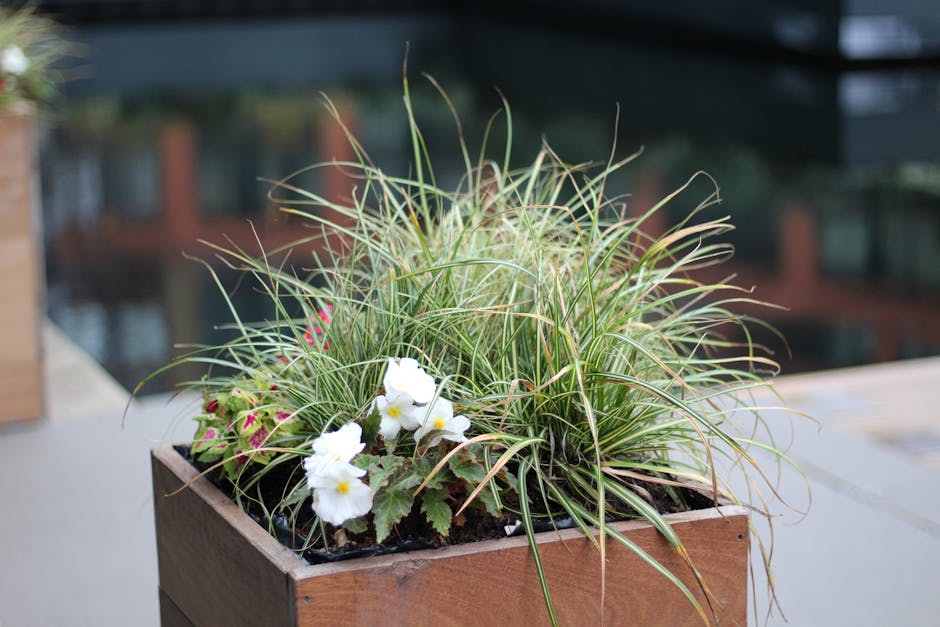
Balcony spaces in South Quay are often compact, exposed, and visible from several angles. That makes them different from a garden at ground level. A balcony planting scheme has to do three jobs at once: look good, cope with wind and sun, and stay safe on a structure that has real weight limits. Screening has a fourth job too. It should give privacy without making the balcony feel like a storage cage.
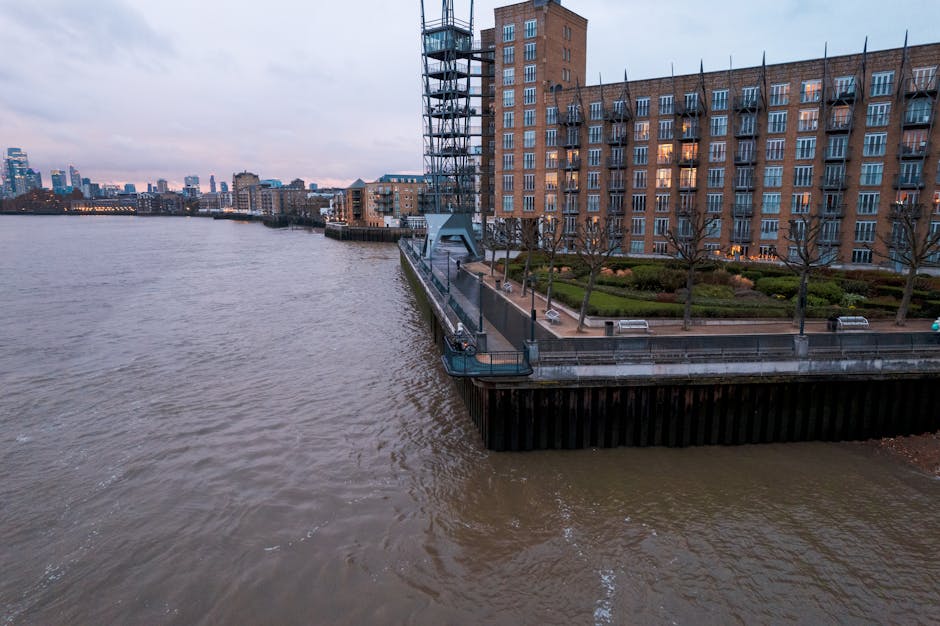
In a busy riverside area, the view goes both ways. You may be overlooking glass towers, railings, and other balconies close by. A well-planned arrangement of planters, climbers, trellis, and tall containers can soften all of that. It can also create a calmer setting for working from home, eating outdoors, or just getting ten minutes of peace after a long day. Small thing, but not really small if you use the space every day.
Professional gardeners who understand balcony conditions tend to think differently from general garden fitters. They consider drainage, load-bearing caution, wind exposure, maintenance access, and the reality that a plant living on a balcony has no sheltered soil around it. That's why compact-space experience matters. It is not only about choosing pretty plants. It's about building a system that still looks decent in February, not just in June.
There's also a wellbeing angle. A balcony with living planting and effective screening feels more inviting, more usable, and more personal. You notice the difference almost immediately: less hard glare, fewer awkward sightlines, and a softer, calmer edge to the home.
Expert summary: good balcony planter and screening work is about structure first, style second, and maintenance third. If those three line up, the result tends to last.
How South Quay gardeners for balcony planters and screening Works
The process usually starts with measuring the balcony properly. Not just the floor area, but the usable width near doors, the height available for screening, where wind hits hardest, and how much daylight reaches each part of the space. You'd be surprised how often a lovely-looking idea turns out to be too deep for the balcony once the door swing is checked. Happens all the time.
From there, a gardener or landscaper will usually think in layers:
- Base layer: low, stable planters that hold structure and colour.
- Mid layer: medium-height planting for volume and softness.
- Screening layer: trellis, tall containers, bamboo-style planting, climbers, or carefully placed evergreen material where allowed and practical.
The aim is to create a visual barrier that still breathes. Solid walls of foliage can trap wind and feel heavy. Too little screening and you're back where you started, looking straight into the neighbouring balcony. The sweet spot is usually a mix of dense planting and open structure.
Good balcony gardening also takes the maintenance rhythm into account. A balcony planter is not a "set and forget" item. Plants dry out faster, fertiliser washes through quicker, and taller screening plants may need staking or tying. In winter, you may need to move sensitive pots closer to sheltered corners. In summer, you may need to water daily during hot spells. London weather keeps you on your toes. Bit rude, really.
Where a project needs more than pots and plants, a broader design approach can help. For example, if the balcony joins a terrace, deck, or larger outdoor zone, some clients look at landscape gardening support for integrated outdoor design so the whole area feels connected rather than patched together.
Key Benefits and Practical Advantages
Balcony planters and screening do far more than hide a view. When designed properly, they improve how you use the space day to day.
- Privacy: screening reduces direct overlooking from nearby flats, walkways, or office buildings.
- Comfort: plants soften glare, absorb some noise psychologically, and make the space feel less exposed.
- Style: a balcony can go from plain and utilitarian to warm, calm, and intentional.
- Biodiversity: even a small planting scheme can support pollinators and improve urban greening.
- Better use of space: planters define zones for sitting, dining, or storage.
- Seasonal interest: you can keep the balcony attractive across the year, not just in summer.
There's another advantage that is easy to overlook: screening can make a balcony feel psychologically bigger. That sounds odd until you've lived with it. Once the eye stops jumping from your chair to the neighbouring railing, the space often feels calmer and more purposeful.
For landlords, letting agents, and homeowners alike, this can add a subtle but real sense of value. Not the sort of dramatic makeover that gets photographed for a brochure, but the kind of improvement people remember when they step out with a coffee and think, yes, this works.
Who This Is For and When It Makes Sense
This kind of work suits a wide range of people in South Quay and nearby docklands developments. It is especially useful if you:
- want more privacy on a balcony that faces other flats;
- need a small outdoor area to feel less stark or overlooked;
- prefer low-maintenance planting with a polished finish;
- have a rental property and want a cleaner presentation;
- use the balcony for morning coffee, work breaks, or quiet evenings;
- have previously struggled with plants blowing over, drying out, or looking sparse.
It also makes sense if you are starting from scratch after a clearance or refurb. In some cases, the balcony has been used as storage, so the first step is clearing away old pots, dead growth, broken furniture, or soil that has compacted into a mess. If that sounds familiar, a broader tidy-up through garden clearance services can help create a clean starting point before any new planting goes in.
On the other hand, if your balcony gets almost no light, or if you are dealing with strict building restrictions, the solution may need to lean more toward structure, artificial screening, or very shade-tolerant planting. Truth be told, not every balcony wants the same treatment. Sometimes the best design is the one that accepts the space you actually have.
Step-by-Step Guidance
If you want the best result, it helps to work in order rather than buying bits and pieces as you go. Here is the approach many experienced balcony gardeners would use.
- Assess the balcony properly. Measure length, depth, railing height, and any awkward corners. Note sun, shade, and wind direction at different times of day.
- Check building rules. Some developments have rules on fixing items to railings, visible screening height, and anything that could fall or project outward.
- Decide the main purpose. Do you want privacy, colour, herb growing, sound softening, or a more sociable seating area? One scheme can do several things, but one goal should lead.
- Choose planter sizes carefully. Larger planters are usually steadier in wind and dry out more slowly than small pots. They also look more intentional.
- Pick plants for conditions, not wishful thinking. A plant that loves a sheltered courtyard may struggle in an exposed south-east London balcony.
- Build screening in layers. Use a combination of tall planting, trellis, and dense foliage rather than relying on one single barrier.
- Plan access. Leave enough room to water, deadhead, prune, and move items if a storm is coming in.
- Set a maintenance schedule. Watering, feeding, trimming, and inspection matter more on a balcony than they do in a garden bed.
That last point matters a lot. A balcony scheme often fails not because the original idea was poor, but because no one built in a workable routine. A planter with no easy watering access becomes annoying very quickly. And when something becomes annoying, it usually starts looking neglected. Human nature, frankly.
Expert Tips for Better Results
There are a few details that separate a decent balcony from one that feels genuinely finished.
- Use weight wisely. Bigger is not always better, but flimsy is nearly always a mistake. Balance matters.
- Think about wind first. South Quay balconies can be breezy. Choose sturdy pots and avoid top-heavy arrangements.
- Mix evergreen with seasonal planting. Evergreens provide backbone in winter; seasonal plants give the colour.
- Keep screening breathable. Solid barriers can catch wind like a sail. Gaps and texture usually work better.
- Match finishes to the building. Sleek containers suit modern architecture; rustic textures can still work, but only if they feel deliberate.
- Use repetition. Two or three matching planters often look better than a random collection of odd bits. Less chaos, more calm.
A small but useful trick: repeat one plant shape or leaf texture at different heights. It makes even a narrow balcony feel more planned. Another one is to use one taller screen element at the most overlooked point and then step the planting down around it. That gives privacy without a "wall of green" effect.
If the balcony also connects to decking or an outdoor sitting area, the whole scheme may benefit from coordinated hard landscaping. In those cases, a service like decking services can help create a stronger foundation before the planting is layered on top.
And one more thing. Don't try to cram every idea in at once. A balcony that feels a little restrained usually ages better than one that is shouting for attention by week three. That's not a rule, just something you notice after seeing enough balconies in the wild.
Common Mistakes to Avoid
Most balcony projects go wrong in predictable ways. The good news is that once you know them, they're easy enough to avoid.
- Choosing pots that are too small: they dry out fast and blow around more easily.
- Ignoring wind exposure: delicate stems, tall top-heavy pots, and loose accessories are all at risk.
- Fixing screening without checking rules: this can lead to complaints or the need to remove it later.
- Using the wrong plants for shade or sun: a balcony is no place for guesswork.
- Overcrowding the space: too many items make cleaning and watering awkward.
- Forgetting drainage: trapped water can damage plants and create mess on the floor below.
- Skipping maintenance: even the best scheme gets tired if no one trims, feeds, or replaces damaged growth.
Another classic mistake is treating screening as a one-off purchase rather than a living system. A trellis with climbers, for example, needs time to fill out. If you want instant privacy, you may need a temporary solution while the plants establish. That bit gets forgotten a lot.
Sometimes the simplest fix is to start smaller and improve the arrangement over a few months. Not glamorous, but effective. And cheaper in the end, usually.
Tools, Resources and Recommendations
You do not need an enormous kit to manage a balcony well, but a few sensible tools make life easier.
- Measuring tape: for checking planter footprint and screening height before buying.
- Lightweight but sturdy pots: especially important where weight is a concern.
- Quality compost and slow-release feed: balcony plants rely on the soil in front of them, so the mix matters.
- Watering can or hose access plan: if water access is awkward, make a routine that actually works.
- Plant ties and canes: useful for climbers or wind-prone stems.
- Securing accessories: decorative items should stay put in a breeze.
For ongoing upkeep, regular care matters more than fancy tools. If you would rather have the planting kept in good shape without doing all the trimming yourself, routine garden maintenance can be a practical option, especially when the balcony forms part of a wider home or managed property.
And if your balcony project is part of a wider garden or shared outdoor redesign, it can help to think in terms of the whole site rather than the balcony alone. That's where broader landscaping support may be useful, particularly if the aim is to create a consistent style from inside to outside.
One small recommendation from experience: keep a spare bag of compost and a couple of replacement plants. Urban balconies can be a bit unforgiving, and having a backup saves a last-minute scramble when something sulks or gets battered by weather.
Law, Compliance, Standards, or Best Practice
Balcony planters and screening are not just design choices. In London residential buildings, you also need to think about safety, building management rules, and practical risk. That does not mean the process is difficult. It just means a bit of care goes a long way.
Here are the main things to keep in mind:
- Weight and load: balconies are structural spaces, so heavy containers, wet compost, and large water reservoirs need sensible planning.
- Wind resistance: anything tall or loose should be stable enough to cope with gusts.
- Drainage: excess water should not cause nuisance, mess, or damage to neighbouring areas.
- Fixings and alterations: many developments restrict drilling, railing attachments, or external changes.
- Fire and access considerations: screening should not block escape routes or create obvious hazards.
It is wise to check lease conditions, building management guidance, and any local restrictions before installing permanent screening. That is especially true in newer docklands developments where external appearance rules can be strict. If in doubt, keep fixings reversible and avoid anything that could fall or flap dangerously in wind.
For service providers, good practice also includes clear communication about safety and insurance. If you are hiring help, it is reasonable to ask how they manage materials, access, and working at height. A reputable company should be able to explain this plainly. You shouldn't need a detective hat to get an answer.
For more on service standards and safety-minded working, it can be helpful to review insurance and safety information and the company's health and safety policy before any job begins.
Options, Methods, or Comparison Table
There are several ways to create privacy and planting interest on a balcony. The best choice depends on how much maintenance you want, how much wind the space gets, and whether you need a quick result or a living one that matures over time.
| Method | Best for | Advantages | Trade-offs |
|---|---|---|---|
| Large planters with dense planting | Soft screening and visual privacy | Natural look, good seasonal interest, flexible layout | Needs regular watering and pruning |
| Trellis with climbers | Vertical screening on narrow balconies | Space-saving, elegant, can improve over time | Does not give instant cover |
| Mixed planter and screen system | Balanced privacy and design | Most adaptable, good depth and structure | Needs planning to avoid overcrowding |
| Freestanding decorative screens | Short-term privacy or rental properties | Quick effect, often easier to install | May look less natural and can be affected by wind |
| Evergreen planting only | Consistent year-round cover | Reliable structure through winter | Can feel flat if not mixed with texture or colour |
In most cases, a mixed approach wins. It gives you flexibility, and it means the balcony still looks good if one layer is temporarily sparse. That is the kind of detail people appreciate in real life, not just on a mood board.
Case Study or Real-World Example
Imagine a South Quay apartment balcony that faces a neighbouring block and gets a fair amount of wind in the afternoon. The owners want privacy, but they do not want the balcony to feel enclosed. They also want to use it for a small table and two chairs.
The first step is a simple assessment. The available space is measured, the likely wind corridor is noted, and the balcony's strongest overlooking points are identified. Rather than covering the whole edge with one continuous screen, the design uses taller containers at the most exposed sightline, with medium planters and a trellis section beside them. Lower planting then softens the sitting area.
Why does this work? Because it solves the real problem without overcomplicating the balcony. The tall planting gives privacy where it is needed. The lower containers keep the space open enough for light. The trellis supports a climbing plant that will add more cover over time, while the existing planters make the balcony usable immediately.
The practical lesson is simple. A good balcony scheme rarely tries to do everything in one move. It gives the space structure first, then lets the planting mature. That slower approach usually looks more natural anyway.
If the balcony layout forms part of a larger site tidy-up, clearing out old debris or tired materials before replanting can save a lot of hassle. That is where a service such as clearance and reset work can be useful in the early stages.
Practical Checklist
Use this before you order anything or arrange work. It keeps the project grounded.
- Measure balcony length, depth, and usable doorway clearance.
- Check wind exposure at different times of day.
- Confirm any building or lease rules on external additions.
- Decide whether privacy, colour, or low maintenance is the top priority.
- Choose planter sizes that are stable and proportionate.
- Pick plants that suit sun, shade, and exposure.
- Make sure drainage will not create a mess or nuisance.
- Leave access for watering and pruning.
- Plan for winter care and summer watering.
- Set a review point after the first season.
If the balcony will be used often, add one more item: sit on it. Literally. Step out, close the door, and see what the view feels like from chair height. A plan can look great on paper and still miss the real problem by half a metre.
Get a free quote today and see how much you can save.
Conclusion
South Quay gardeners for balcony planters and screening are really about making compact outdoor space feel human again. A balcony should not be an afterthought. With the right planters, sensible screening, and a maintenance approach that fits real urban living, it can become one of the most useful parts of a home.
Whether you want a calmer place to sit, a little more privacy, or a greener view from the kitchen window, the key is to start with the conditions you actually have. Light, wind, weight, access, and building rules all matter. Once those are respected, the design can do its job properly. Quietly, but well.
And honestly, that is usually enough. A balcony does not need to shout. It just needs to feel good when you step outside on a grey Tuesday and notice, unexpectedly, that the space has become yours.
Frequently Asked Questions
What do South Quay gardeners for balcony planters and screening usually provide?
They typically help with balcony assessment, planter selection, plant choice, screening layout, installation advice, and ongoing care. Some also support related clearance or maintenance work if the balcony needs a fresh start.
Which plants are best for balcony screening in windy areas?
Plants that tolerate exposure, maintain structure well, and can be kept in stable containers are usually best. The exact choice depends on light levels and how much wind the balcony gets, so one-size-fits-all advice is rarely enough.
Can I attach screening to my balcony railing?
Sometimes, but not always. It depends on building rules, lease terms, and safety concerns. Many properties restrict drilling or fixed alterations, so it is best to check before installing anything permanent.
How do I stop balcony planters from blowing over?
Use wider, heavier containers, keep the planting low where possible, and avoid top-heavy arrangements. Position taller items in more sheltered spots and make sure the base is stable. In exposed locations, weight and balance matter a lot.
Do balcony planters need more watering than garden pots?
Usually yes. Balcony containers can dry out faster because they are more exposed to wind and sun, and they have less surrounding soil to hold moisture. In warm weather, daily watering may be needed.
What is the best type of screening if I want instant privacy?
Freestanding screens or a mix of tall planters with dense planting can give quicker results than climbers alone. If you want a living screen, it often takes time to fill out, so a layered approach is usually best.
Is balcony gardening suitable for small flats in South Quay?
Yes, very much so. Small balconies can still provide privacy, greenery, and usable seating space if the layout is well planned. In fact, smaller spaces sometimes benefit most from careful design because every inch has to work hard.
How much maintenance does balcony screening need?
That depends on the type of screen and planting used. Living screens need watering, feeding, pruning, and seasonal adjustment. Hard screens need less plant care but may still need cleaning, checking, and occasional repositioning after windy weather.
What should I check before starting a balcony planting project?
Measure the space, check sun and wind, review building rules, think about weight and drainage, and decide what the main goal is. Privacy, colour, and low maintenance all point to slightly different solutions.
Can balcony planters be part of a larger outdoor design?
Yes. They often work best when they connect visually with decking, terrace areas, or broader landscaping. That way the balcony does not feel separate from the rest of the property.
Do I need professional help, or can I do it myself?
You can absolutely do a simple version yourself if the space is straightforward. Professional help makes more sense if the balcony is exposed, difficult to access, part of a managed building, or needs a more polished and durable result.
How do I keep a balcony from feeling cramped once screening is added?
Use layers rather than a single solid barrier, keep a clear walkway, and choose planters that suit the scale of the balcony. A little negative space helps a lot. Too much planting can close the room in, even when the plants are lovely.