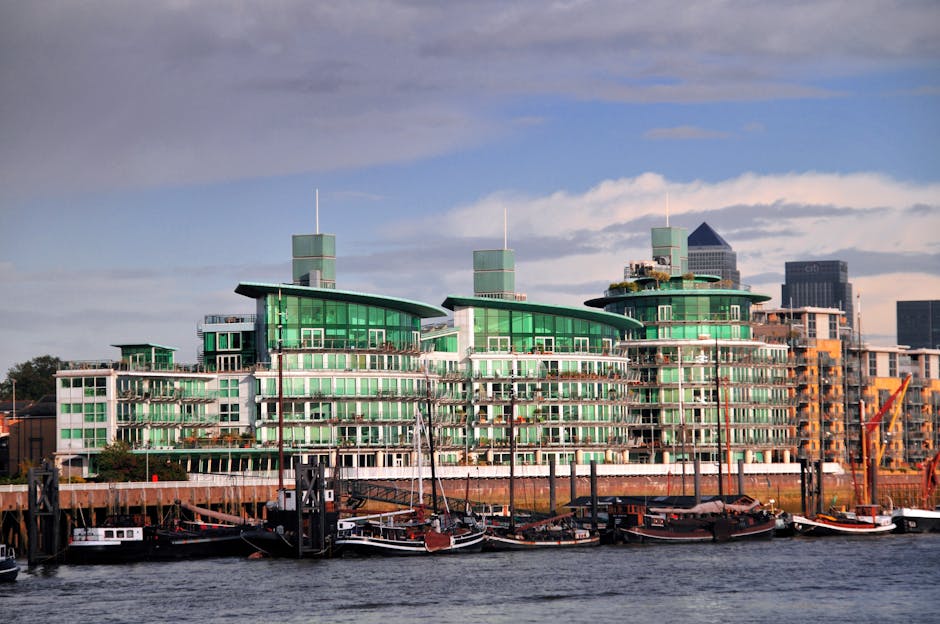
West India Quay gardeners guide for flat balconies Docklands
If you live in a Docklands flat, a balcony can do a lot of heavy lifting. It has to be part retreat, part storage-safe zone, part mini garden, and somehow still survive wind, shade, and the odd week when you forget to water everything. That is exactly where a West India Quay gardeners guide for flat balconies Docklands becomes genuinely useful. Not as a grand gardening manifesto, but as a practical way to turn a compact outdoor space into something calm, green, and manageable.
West India Quay has its own feel: water nearby, taller buildings, reflected light, gusts that can surprise you, and balconies that often need careful planning rather than ambitious guesswork. In this guide, you will find a grounded approach to balcony planting, maintenance, layout, and the small details that make a flat balcony actually work in real life. Nothing fussy. Nothing overcomplicated. Just the kind of advice that helps you avoid wasted plants, soggy pots, and that slightly embarrassing moment when everything blows over in one evening.
Whether you want a few sturdy planters, a fuller green screen, or a neat seasonal display, the idea is the same: make the space look good and behave well. Let's get into it.
Why West India Quay gardeners guide for flat balconies Docklands Matters
Balcony gardening in Docklands is not the same as gardening in a garden square, and it is not even the same as gardening on a terrace in a quieter part of London. West India Quay brings together a few awkward-but-manageable realities: more wind, more exposure, less soil depth, and often less time. Those conditions change everything.
A flat balcony is a finite space. Every pot, chair, tray, and watering can has to earn its place. If you buy plants that want shelter, you may end up replacing them quickly. If you choose heavy pots without checking the load, you may create problems you never wanted. If you place everything against the wrong wall, you can end up with scorching sun on one hand and chilly shade on the other. It sounds small, but in a compact setting, small choices matter a lot.
That is why local guidance matters. A good balcony garden should suit both the microclimate and the way you actually live. Do you work long hours? Travel often? Keep the balcony door open most evenings? Do you want a peaceful place to sit with a coffee, or are you after herbs and flowers with a bit of colour? Different answers lead to different planting and layout decisions. Simple as that.
There is also the visual side. In Docklands, many balconies are seen from inside first and used second. That means the planting has to work as a view as well as a space. A well-planned balcony can soften hard lines, add privacy, and make a flat feel more settled. Truth be told, the difference is often bigger than people expect.
Expert summary: In West India Quay, balcony gardening works best when it is treated like space planning first and planting second. Start with sun, wind, weight, and water access, then choose plants that can cope with the reality of the site.
How West India Quay gardeners guide for flat balconies Docklands Works
The basic idea is straightforward: match the balcony conditions to the right containers, plants, and maintenance routine. But the useful part is in the details. A balcony garden is not trying to imitate a ground-level border. It is its own little environment.
Start with the balcony environment
Before buying anything, notice how the space behaves during the day. Is it bright in the morning and shaded after lunch? Does wind move through it from the river side? Does rain hit it directly, or is it partially sheltered by the building above? You do not need a surveyor's notebook. A few days of observation will tell you most of what you need.
On a windy Docklands balcony, lightweight items can shift around, dry out faster, and stress taller plants. On a sheltered balcony, you may be dealing with dampness, slower drying, and less movement in the air, which can encourage mildew if plants are packed too tightly. Same size balcony. Very different experience.
Choose plants for containers, not the ground
Many problems start with plant choice. Plants that look beautiful in a nursery may struggle on a high balcony if they need steady moisture, deep root runs, or still air. Container-friendly plants tend to be tougher, more forgiving, and less dramatic when conditions change. That is a blessing, honestly.
Good balcony candidates often include herbs, compact grasses, evergreen structure plants, shade-tolerant foliage, and seasonal colour that can be swapped out as needed. The aim is not perfection. The aim is resilience with style.
Use containers that suit the space
Container choice is not just about looks. It affects root health, watering frequency, stability, and even how much work you will have later. A wider pot usually holds moisture more evenly than a tiny narrow one. Heavier materials can help with wind resistance, but may be unsuitable if your balcony has load concerns or if you want to move things around frequently.
Try to think in layers: a few larger anchor pots, then smaller accents, then maybe rail planters or wall-mounted options if permitted. That creates depth without clutter. And clutter on a small balcony? It happens fast. One extra chair and suddenly the whole thing feels cramped.
Build a maintenance routine that fits real life
Balcony gardens succeed when they are easy to look after. If you have to spend 40 minutes daily fussing over them, the setup is probably wrong. Good design lowers the maintenance burden. Group plants with similar watering needs together. Use saucers or trays where appropriate. Keep tools in one place. Decide how you will water before everything is in full leaf.
That last bit matters more than people think. Watering is not exciting, but it is the difference between a balcony that looks lovely for months and one that starts to look tired by the second hot spell.
Key Benefits and Practical Advantages
When done properly, a balcony garden in West India Quay does more than brighten the view. It changes how the space feels and how usable the flat becomes.
- Better use of limited space: A balcony can function as a sitting area, herb garden, screen, and visual softener all at once.
- More privacy: Taller containers, trellis, and layered planting can help reduce that exposed, overlooked feeling.
- Improved comfort: Plants can make a hard, urban balcony feel less echoey and more welcoming.
- Seasonal interest: With the right mix, you can keep colour or texture through much of the year.
- Flexibility: Container gardening lets you change the layout without major work.
There is also a psychological benefit that gets overlooked. A balcony planted with care can become the place where you pause between work and home mode. You step outside, hear a bit of traffic, maybe the faint water movement in the distance, and the day loosens its grip. That counts for something.
From a property perspective, a tidy and thoughtfully planted balcony can make a flat feel better maintained and more appealing. Not a magic trick, of course. But it does help.
Who This Is For and When It Makes Sense
This guide is especially useful if you live in a Docklands apartment with a small or medium balcony and want the area to be attractive without becoming a chore. It suits renters, leaseholders, owner-occupiers, and anyone who wants outdoor space that is useful rather than decorative only.
It also makes sense if:
- your balcony gets strong wind or uneven sunlight
- you have tried plants before and they did not last
- you want privacy from neighbouring flats
- you prefer low-maintenance greenery over a high-effort display
- you are planning to entertain outside, even occasionally
- you need a layout that works year-round, not just in summer
If your balcony is mostly for storage, you may not need a full planting scheme. Fair enough. But even then, a couple of well-chosen pots can soften the space and make it more pleasant to open the door to. Small win, big feeling.
This approach is not only for people who already know plants. In fact, beginners often benefit the most because the advice filters out unnecessary complexity. You do not need a jungle. You need a workable system.
Step-by-Step Guidance
Here is a practical way to set up a balcony garden in West India Quay without overdoing it.
1. Measure the usable space
Measure the area where people can stand, sit, and move comfortably. Include door swing, furniture clearance, and any built-in obstructions. A balcony that looks spacious empty can become awkward once planters are added.
2. Check sun, shade, and wind
Spend a little time observing the balcony at different times of day. If it is sunny only briefly, choose plants that tolerate partial shade. If wind rushes across it, favour lower, denser containers and avoid tall flimsy stems without support.
3. Decide the main purpose
Ask yourself what the balcony must do first. Is it for relaxing, herbs, privacy, colour, or all four? The answer shapes every decision after that. A pure ornamental balcony and a practical herb balcony are not the same project.
4. Pick a layout before buying plants
Work out where the largest pots will go, where you will sit, and where water can be managed without mess. If you buy plants first, you may end up with awkward gaps. Layout first is usually less painful.
5. Choose a sturdy planting mix
Use quality potting compost suitable for containers, not garden soil. Container plants need drainage, aeration, and nutrients in a form they can use. The mix should hold moisture without becoming heavy and sour. That balance matters more than fancy packaging.
6. Build from the biggest items outward
Start with your anchor planters. Then add medium pots, then smaller herbs or decorative containers. This makes the balcony feel layered instead of crowded. It also helps with balance and wind stability.
7. Water carefully and consistently
Containers dry out faster than ground beds, especially in exposed parts of Docklands. Watering may be needed more often in warmer spells, and less often in colder weather. Check the compost, not the calendar alone. A finger test still works. Old-school, yes. Effective, also yes.
8. Reassess after two weeks
Once everything is in place, spend two weeks watching how the balcony behaves. Do plants dry too fast? Is one corner too shady? Is one pot always blown over? Adjust the layout. Balcony gardening is a live process, not a one-and-done event.
| Stage | What you do | Why it matters |
|---|---|---|
| Assess | Measure space, sunlight, and wind | Avoids bad plant and furniture choices |
| Plan | Set the balcony's main purpose | Prevents clutter and random purchases |
| Plant | Choose container-friendly species | Improves survival and appearance |
| Maintain | Water, deadhead, rotate, and check drainage | Keeps the display healthy and tidy |
Expert Tips for Better Results
In our experience, the best balcony gardens are rarely the most elaborate. They are the ones with a few smart decisions made early.
- Use weight strategically: Put the heaviest pots where they are least likely to be knocked or moved. That helps with stability in wind.
- Choose a colour story: Too many clashing colours can make a small balcony feel busy. Repeating 2 or 3 tones usually looks cleaner.
- Think vertical, but lightly: Trellis and tall planters can add height, but do not crowd the eye line.
- Group thirsty plants together: It saves time and reduces accidental overwatering of dry-loving plants.
- Leave breathing room: Plants need airflow. Packed too tightly, they can look lush for a moment and then become a maintenance headache.
A small but useful trick: place one attractive focal pot where you naturally look when stepping onto the balcony. It anchors the whole space. You do not need five focal points. One is enough. Maybe two, if you're feeling generous.
If you want privacy, use layers rather than a single tall barrier. A mix of mid-height planters, upright grasses, and a discreet screen often looks calmer than an awkward wall of pots.
And here is a practical observation: balconies often look better at dusk than in full daylight. That means soft foliage, reflective leaves, and warm-toned pots can have a lovely effect in the evening. Useful if you enjoy sitting out after work with a drink and a bit of quiet.
Common Mistakes to Avoid
A lot of balcony gardening trouble comes from trying to do too much too soon. Easy trap. Happens all the time.
- Buying plants for looks only: Pretty plants are not always balcony-proof.
- Ignoring wind exposure: Tall, top-heavy planters can topple or dry out faster than expected.
- Using the wrong compost: Heavy soil can suffocate roots in containers.
- Overcrowding: A small balcony can look lush for about a week, then cramped and awkward.
- Forgetting drainage: Waterlogged pots lead to unhappy roots and messy surfaces.
- Choosing too many thirsty plants: If you travel or work long hours, they may not keep up.
- Blocking access: A balcony that is beautiful but annoying to use is not much of a success.
Another common slip is assuming every corner gets the same amount of light. It does not. Tall buildings create shadows that shift through the day, and the difference between one side of the balcony and the other can be surprisingly large. Keep an eye on it.
Also, if you are tempted to fill every inch with pots, take a breath. Leave a little room. Your future self will thank you when you need to water, clean, or simply stand there without bumping into a fern.
Tools, Resources and Recommendations
You do not need a shed full of gear to maintain a good balcony garden. A small, sensible set of tools is usually enough.
- Watering can or hose attachment: Choose something easy to handle in a confined space.
- Hand trowel and small fork: Useful for potting, repotting, and compost refresh.
- Secateurs or snips: Handy for deadheading and light pruning.
- Moisture-conscious pots and saucers: Good for keeping mess under control.
- Plant ties or soft supports: Helpful for climbers or taller stems in windy spots.
- Gloves and a small brush: Makes clean-up easier, especially on paved balcony surfaces.
If you are unsure where to start with plant selection, look for container-friendly labels and choose a mix of structure, texture, and seasonal interest. Evergreen plants provide continuity, while seasonal flowers bring variety. Herbs can give you both scent and usefulness, which is a nice bonus.
For those who want a broader property or outdoor maintenance perspective, you may also find value in a more general outdoor gardening and lawn care approach that helps with planning routines and long-term upkeep. If your needs extend beyond the balcony itself, a focused garden maintenance service mindset can be useful for thinking about consistent care rather than one-off tidy-ups.
Those internal links are most helpful if you are comparing how to maintain a compact outdoor space against broader garden upkeep. Not every problem on a balcony is solved the same way as a ground-level garden, but the discipline around maintenance often transfers nicely.
Law, Compliance, Standards, or Best Practice
Balcony gardening in Docklands is usually straightforward, but there are a few practical standards and responsibilities worth respecting. This is one of those areas where common sense and building rules matter a lot.
First, check your lease or building management guidance. Many flats have rules about external appearance, fixing items to railings, draining water, or adding structures such as screens and trellis. Even if a planter looks harmless, it may not be permitted if it alters the building exterior or creates a risk.
Second, think about weight. Balconies are designed for use, of course, but they are not all identical. Heavy containers, water features, large ceramic pots, and stored materials can add up quickly. If in doubt, it is sensible to keep the setup compact and avoid unnecessary mass.
Third, keep drainage sensible. Water should not create nuisance for neighbours below or damage shared surfaces. Saucers, trays, and careful watering are simple, practical safeguards. No drama, just good manners.
Fourth, avoid loose items that can become hazards in wind. West India Quay can get breezy. Light objects, empty pots, and unsecured decor can shift or fall. If it can fly, it probably will at some point. The wind is rude like that.
Finally, be considerate of noise, mess, and shared access. Potting compost, watering, and moving containers should be managed so they do not affect neighbours or common areas. In apartment living, tidy habits matter more than people admit.
For any structural change, drilling, external fixing, or more substantial balcony modification, get proper permission before proceeding. Keep the garden portable where possible. Portable usually means simpler. Simpler usually means safer.
Options, Methods, or Comparison Table
If you are deciding how to garden a flat balcony in West India Quay, the right method depends on how much time, privacy, and visual impact you want. Here is a plain comparison to help you choose.
| Method | Best for | Pros | Trade-offs |
|---|---|---|---|
| Simple pot grouping | Beginners, busy residents | Easy to maintain, flexible, neat | Less privacy, less vertical impact |
| Layered container scheme | Style-conscious flats | More depth, better visual balance | Needs more planning and space |
| Herb-led balcony | Practical gardeners, cooks | Useful, fragrant, compact | Can look sparse if not mixed well |
| Privacy planting | Overlooked balconies | Softens views, adds enclosure | May need more watering and upkeep |
| Seasonal display rotation | People who enjoy variety | Fresh look through the year | Requires regular changeovers |
If you ask which is best overall, the honest answer is usually the layered container scheme. It gives enough flexibility to adapt, enough structure to look intentional, and enough room to keep things tidy. But if your time is tight, simple pot grouping often wins because it is easy to live with. And living with it is the whole point.
Case Study or Real-World Example
Picture a typical Docklands flat balcony: long and narrow, with a rail facing open air, a shaded corner nearest the building, and a sunnier stretch near the far end. The owner wants greenery, a bit of privacy, and somewhere to sit with a cup of tea in the evening.
Instead of filling the whole space with random pots, the balcony is treated in zones. Two larger planters sit at the far end, each with a sturdier plant that can hold shape in wind. Along the railing, a couple of mid-sized containers add colour and soften the edge. Near the door, a smaller herb pot makes daily watering simple because it is easy to reach.
The seating area is kept clear. That one choice changes everything. The balcony still looks full, but it no longer feels like a storage rack for plants. It feels like a room. A tiny one, yes, but a room.
After a couple of weeks, one pot is shifted because it gets more shade than expected, and another plant is moved to a brighter position. The result is not perfect perfection. It is better: a garden that fits the building, the weather, and the owner's routine.
That is the real goal. Not a magazine spread. A space you actually use.
Practical Checklist
Use this checklist before and after setting up your balcony garden.
- Measure the usable floor space and door clearance
- Check sun, shade, wind, and rain exposure at different times
- Confirm balcony rules in your building documents
- Choose containers that are stable and suitable for the space
- Use quality compost designed for containers
- Select plants that tolerate the local conditions
- Group plants with similar watering needs together
- Leave room for walking, sitting, and cleaning
- Make sure drainage will not cause mess or nuisance
- Keep tools, feed, and spare compost in one tidy place
- Review the layout after a couple of weeks and adjust
If you can tick most of those off, you are in good shape. It does not need to be more complicated than that, honestly.
Conclusion
A well-planned balcony in West India Quay is not just a decorative extra. It is a small outdoor space with real everyday value, especially in a Docklands flat where every square metre counts. The best results come from understanding the conditions first and the plants second. Wind, light, weight, access, and maintenance all matter.
Start simply. Build in layers. Choose containers and plants that suit the environment rather than fighting it. Keep the design practical enough that you will keep using it in October, not just on the first sunny weekend of spring. That is the sweet spot.
And if it all feels a bit much at the start, that is normal. Most good balcony spaces are built in stages anyway. One pot at a time. One adjustment at a time. Before long, the balcony feels less like an awkward outdoor strip and more like your own small piece of calm above the city.
Get a free quote today and see how much you can save.
Frequently Asked Questions
What is the best approach for a West India Quay balcony garden?
The best approach is to treat the balcony like a compact outdoor room. Start with exposure, space, and weight limits, then choose container-friendly plants and a layout that leaves room to move.
Which plants usually work well on Docklands flat balconies?
Plants that tolerate wind, partial shade, and container life usually do best. Herbs, compact evergreens, tough grasses, and hardy seasonal plants are often more reliable than delicate bedding varieties.
How often do balcony plants need watering in West India Quay?
It depends on sun, wind, pot size, and season. In exposed conditions, containers may need watering more often than ground plants. The safest habit is to check the compost regularly rather than relying on a fixed routine.
Can I use heavy pots on a flat balcony?
Sometimes, but you should be cautious. Heavy pots can help with stability, yet balcony load and ease of movement matter too. If in doubt, keep the setup modest and avoid unnecessary bulk.
How do I make a balcony feel private without making it cramped?
Use layers instead of a single solid barrier. A mix of medium planters, taller plants, and a light screen or trellis can soften sightlines while keeping the balcony open and usable.
What is the biggest mistake people make with flat balcony gardening?
Buying for looks alone. A plant may look perfect in the shop and still struggle badly in wind or shade. Choosing for conditions first usually gives better results.
Do I need permission to add planters or screens?
Planters are often fine, but external changes, fixed screens, drilling, or anything that affects the building exterior may need approval. Always check lease terms or building guidance before making changes.
How do I stop my balcony from looking cluttered?
Keep a clear purpose, limit the number of plant groups, and leave some open space. A few well-chosen items almost always look better than a crowded mix of pots and accessories.
Is balcony gardening suitable for beginners?
Yes, very much so. In fact, balcony gardening can be easier than larger gardens because the area is smaller and easier to observe. The key is choosing simple, resilient plants and not overcomplicating the layout.
What maintenance does a balcony garden need through the year?
Regular watering, deadheading, tidying, and occasional reshuffling are usually enough. Seasonal refreshes help too, especially if some plants are only meant to carry the display through part of the year.
Can a balcony garden still work if it gets a lot of wind?
Yes, but the design needs to suit the conditions. Shorter, heavier pots, wind-tolerant plants, and secure placement make a big difference. Tall, flimsy, top-heavy arrangements are usually a headache.
How do I decide whether to use flowers, herbs, or foliage plants?
It depends on what you want most. Flowers give colour, herbs bring usefulness and scent, and foliage provides structure that lasts longer. Many good balcony gardens use a bit of all three.
If you want the safest route, start with a simple mixed setup and adjust after a few weeks. That way you learn how your balcony behaves without committing to the wrong solution. Small moves, done well, tend to win in Docklands.